Information as of November 2026.
Nine out of ten dollars spent on medicines in Uzbekistan go to imported products. The state wants to change that. Pharmaceutical imports reached about USD 2 billion in 2025, up 18% (Customs Committee, reported by Kun.uz, February 2026). Yet the government has set a target of a 70% domestic share of the market by 2030 (gov.uz, March 2026).
For a foreign pharma company, that tension is the opportunity. You can sell into a growing import market today. You can also position for localisation before the rules tilt further towards local producers.
Below you will find the market figures, how registration, GMP and pricing now work, and three practical routes in, with the risks of each. It belongs to the overview of the Uzbekistan market, which covers the wider economy.
The market in numbers
IQVIA data put the medicine market at about USD 2.14 billion for the twelve months to September 2025 (Times of Central Asia, November 2025). The same source shows imported medicines at 89% of sales by value. By volume, though, local manufacturers sell 41.2% of packs.
What does that gap mean? Local plants mostly make cheaper, simpler generics, that is, copies of medicines whose patents have expired. Higher-value products, such as originals, biologics and complex generics, come from abroad.
Other official figures fill in the picture:
- Medicine and device market — Value: about USD 2.5 billion; Source: gov.uz, 5 March 2026 meeting
- Pharmaceutical enterprises — Value: 300+, of which 58 make medicines; Source: gov.uz, March 2026
- Finished medicines in imports — Value: about 85% (≈ USD 1.7 billion); Source: Customs Committee via Kun.uz, 2025
- Pharma exports — Value: USD 220 million, of which USD 14 million medicines; Source: gov.uz, March 2026
- Domestic pharmaceutical output — Value: UZS 4.4 trillion, +24.9% in real terms; Source: National Statistics Committee, Jan–Aug 2026
The market leaders by value are foreign: KRKA, World Medicine and Farmak hold about 9.9% together (IQVIA via Times of Central Asia, 2025). The market is fragmented, so a mid-sized supplier is not competing with one dominant player.
Who regulates what
Two bodies matter most. The Center for Pharmaceutical Products Safety (CPPS) under the Ministry of Health registers medicines and devices. It also licenses pharmaceutical activity, sets reference prices and runs pharmacovigilance, which means monitoring side effects after launch (IMDRF presentation, March 2026). The Agency for Development of the Pharmaceutical Industry runs industrial policy, support funds and the Tashkent Pharma Park cluster.
Also read Investment Incentives in Uzbekistan: Free Economic Zones, Small Industrial Zones and Investment AgreementsRegistration: recognition for products approved by trusted regulators
Decree UP-137 of 19 August 2025 rewrote the basics. From 1 October 2025, a medicine registered by a WHO-Listed Authority (WLA) is registered in Uzbekistan by recognition. A WLA is a regulator that the World Health Organization has assessed as meeting the highest standard. Regulators at maturity level 4, the top grade in WHO benchmarking, also qualify.
Which regulators count? Swissmedic, Korea's MFDS and Singapore's HSA were the first WLAs in October 2023. The European Commission with the EMA and EU national regulators followed in May 2024. Health Canada, Japan's MHLW/PMDA and the UK's MHRA joined in August 2025, bringing the total to 39 agencies (WHO). Decree UP-191 of 10 September 2026 amended this part of UP-137, so check the current wording on lex.uz before you plan around it.
If your product is approved only by a regulator outside this group, plan for the full procedure. That means expert review of the dossier and, for oral generics, bioequivalence data under a procedure due from March 2026 (UP-137, action plan).
Other changes in the same decree:
- Five-year certificates. Registration is now valid for five years, including for local producers that previously held open-ended certificates.
- Contract manufacturing is formalised. From 1 January 2026, a licensed manufacturer can produce a medicine to the order of the rights holder, including through technology transfer. The certificate can be issued in the name of either party (clause 4).
- Medical devices are classified into four risk classes since 1 January 2026.
GMP and licensing
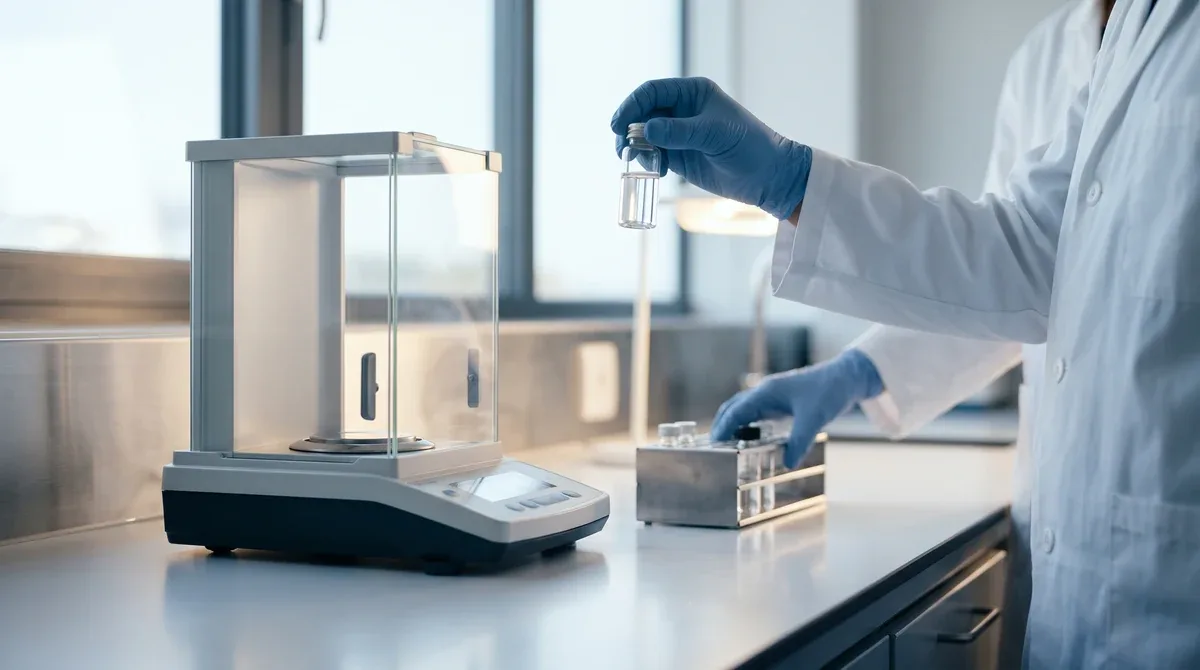
GMP, Good Manufacturing Practice, is the quality standard for how medicines are made. Since 1 January 2026, a national GMP certificate is required to register a medicine or renew its registration (UP-137, clause 4). From 1 January 2027, the same certificate will also be needed to obtain a certificate of conformity for each product type (clause 5). Products registered by recognition and WHO-prequalified products are exempt from both requirements (clause 6).
All 58 local medicine producers hold national GMP certificates, and the government wants them to move to European GMP (gov.uz, March 2026). Pharmaceutical activity itself, such as production, wholesale and pharmacy retail, needs a licence from the CPPS.
Prices and marking
Prices are regulated for prescription medicines only. Since 1 April 2025, wholesale markup is capped at 15% and retail at 20% of the base purchase price, however many intermediaries are involved. Prices may not exceed the reference prices set by the CPPS. Over-the-counter medicines and medical devices are now priced freely (Decree UP-13 of 28 January 2025, summarised by Buxgalter.uz). Reference prices in foreign currency are reviewed every January and July if the exchange rate has moved by 3%, and earlier if it has moved by 5%.
State purchases of medicines are moving to a single electronic platform, farma.xarid.uz, launched in 2026 and designed to check bids against reference prices automatically (Pharmaceutical Agency, reported by Anhor.uz, 2026). Build these caps into your margin model before agreeing distributor discounts.
Medicines also carry mandatory digital marking codes. The obligation started in stages from 1 September 2022, and a further group of medicines and devices follows on 1 July 2027 (Cabinet Resolutions No. 149 of 2022 and No. 23 of 2026).
Incentives and pharma zones
Decree UP-35 of 5 March 2026 is the main incentive package. Its key points:
- Three tax holidays. Land tax for three years from the project start, profit tax for three years from commissioning, and property tax on the new buildings. At least 60% of income must come from pharmaceutical products or medicinal plants. Projects can start until 2040, and no special-zone location is needed.
- Lower royalty tax. A non-resident without a permanent establishment pays 5% on royalties for production technology and on trademark income until 1 January 2030. A tax treaty rate applies if it is lower.
- Cost sharing. From 1 June 2026, a state fund covers 50% of the cost of EU or US FDA GMP certification, capped at USD 50,000.
Location still matters because of land and utilities. Pharmaceutical free economic zones include Parkent-Pharm, Zomin-Pharm and Kosonsoy-Pharm (Ministry of Investment, Industry and Trade guide, July 2026). Tashkent Pharma Park, the main cluster, hosts 18 projects worth USD 746.6 million (Ministry of Investment, Industry and Trade). UP-35 instructs officials to propose another 100 hectares next to it.
The March 2026 meeting also heard that a 14-hectare plot in the Bostanlyk pharma zone has stood unused since 2017, and that no new enterprise opened in the Jizzakh and Samarkand pharma zones in 2025 (gov.uz). Visit the site and check power and water before you sign. How zone regimes compare is explained in investment incentives and free economic zones.
Three ways into the market
- Distributor — When it fits: WLA-approved products; testing demand; First-year workload: Registration, distributor contract, marking; Main risk: Distributor controls the relationship with pharmacies and hospitals
- Contract manufacturing — When it fits: Proven demand; need for local pricing or public tenders; First-year workload: GMP audit of partner, quality agreement, tech transfer; Main risk: Dossier ownership and quality control
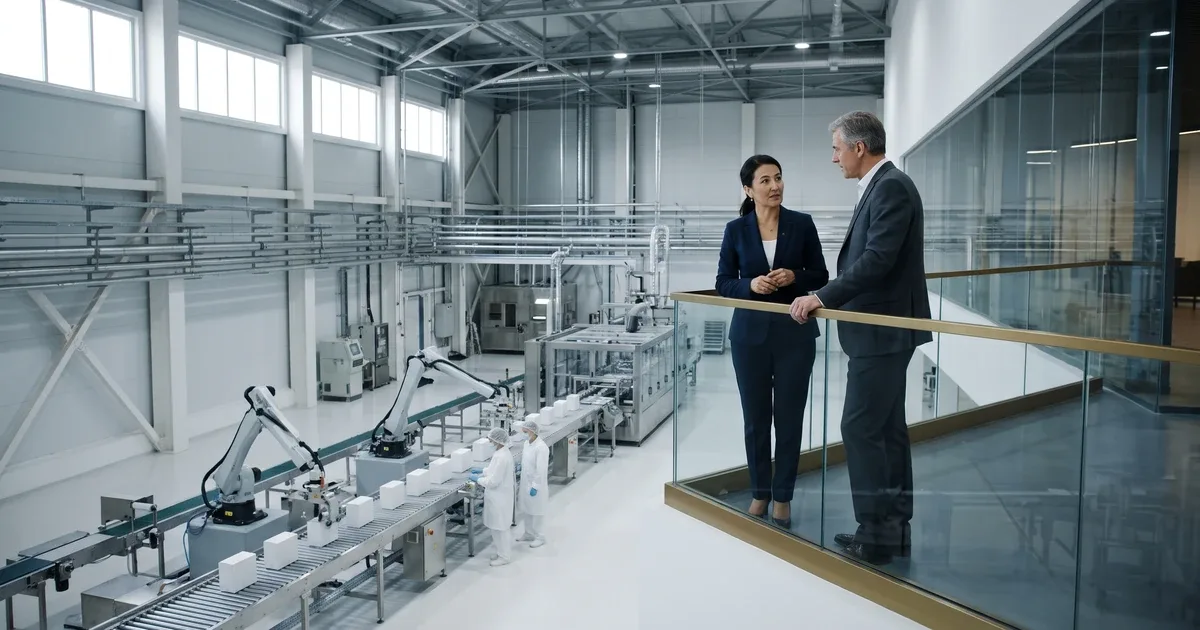
- Own plant — When it fits: Large portfolio; long-term commitment; First-year workload: Land, construction, licence, national GMP; Main risk: Capital tied up for years; utilities and staff
Distributor. Most foreign companies start here. Choose a partner with a licence, a cold chain and access to hospital tenders. Keep the registration certificate in your own name. The selection and checks are covered in finding a local distributor in Uzbekistan.
Contract manufacturing. UP-137 now lets a licensed Uzbek plant produce your product while you keep the rights. This gives you a local price base and access to public channels open to local goods. Before signing, audit the plant's GMP status, agree who owns the dossier and write a quality agreement.
Own plant. This route makes sense with a broad portfolio and a horizon of ten years or more. Land, connections and staff will set your timeline, not paperwork. The general steps are in setting up manufacturing in Uzbekistan.
Hypothetical example
A mid-sized European generics maker holds EU approvals for 12 cardiology products. In year one it registers them by recognition and signs a non-exclusive distributor for Tashkent. Sales show strong demand for three of them. In year two it signs a technology transfer with a local GMP plant, which produces those three products under the maker's rights. The 5% rate on technology royalties lowers the tax on payments back home, unless the maker's tax treaty already gives a lower rate. An own plant stays on the table, but only after several years of real sales data.
Which of your products would pass the recognition route today?
How it differs from home
- Approval follows your home regulator. An approval from the EU, UK, Switzerland, Japan, Canada, Korea or Singapore opens the recognition route. Products approved only elsewhere face full review.
- Prices are capped for prescription drugs. Unlike free-pricing markets, markups are fixed in percent, and reference prices limit the ceiling.
- Registration is time-limited. Five years, then renewal with a national GMP certificate, unless the product is exempt.
- Every pack is traceable. Your ERP and your distributor's must handle marking codes, batches and expiry dates; see pharmacy ERP: batches, expiry and marking.
- Industrial policy is active. Rules change by decree several times a year, as UP-13, UP-137, UP-35 and UP-191 show within two years.
Pitfalls to avoid
- Letting the distributor own the registration certificate.
- Modelling margins without the 15% and 20% markup caps.
- Choosing a contract manufacturer without your own GMP audit.
- Buying land in a zone before checking utilities on site.
- Assuming an incentive applies before checking the 60% income test.
Conclusion
Uzbekistan's medicine market is worth about USD 2 billion a year and is still nine-tenths imported by value. The state now offers faster registration for products approved by trusted regulators, tax holidays for local production and a legal basis for contract manufacturing. In return, it caps prescription drug margins, requires GMP and tracks every pack. For most foreign companies the sensible order is the same: register by recognition, work through a distributor, prove demand, then decide on local production with real numbers.
This article is general information, not legal or tax advice. Rules in Uzbekistan change often; check your case with a licensed local lawyer and tax adviser.
Frequently asked questions
How big is the pharmaceutical market in Uzbekistan?
IQVIA data put the market at about USD 2.14 billion for the twelve months to September 2025, with imported medicines taking 89% of value (as reported by the Times of Central Asia, November 2025). The government's own estimate for medicines and medical devices together is about USD 2.5 billion (gov.uz, March 2026).
Can an EU-approved medicine be registered faster in Uzbekistan?
Yes. Since 1 October 2025, medicines registered by WHO-Listed Authorities, or by regulators at WHO maturity level 4, are registered by recognition (Decree UP-137 of 19 August 2025). The European Commission with the EMA and EU national regulators are WHO-Listed Authorities. The list in the decree was amended in September 2026, so confirm your case with the Center for Pharmaceutical Products Safety.
Is a GMP certificate required to register a medicine?
Since 1 January 2026, a national GMP certificate is needed to register a medicine or renew its certificate. Products registered by recognition and WHO-prequalified products are exempt from this requirement (UP-137, clauses 4 and 6). Registration certificates are now issued for five years.
What tax incentives exist for building a pharma plant?
Under Decree UP-35 of 5 March 2026, pharmaceutical projects get three years without land tax (from project start) and profit tax (from commissioning), plus an exemption from property tax on the buildings constructed for the project. At least 60% of the company's income must come from these products, and projects can start up to 2040. Unlike the free economic zone regime, no location in a zone is required (EY tax alert, May 2026).
Weighing a pharma entry into Uzbekistan?
A short conversation can help you compare the distributor, contract manufacturing and own-plant routes for your portfolio, and see which approvals sit on the critical path.