
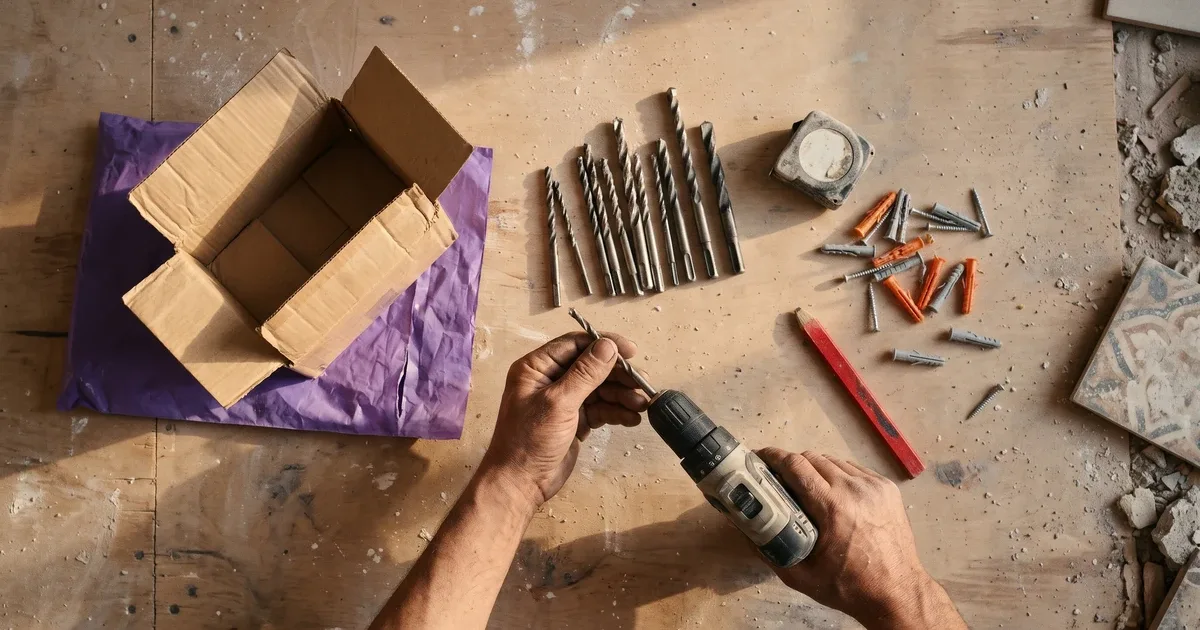
A contractor is fitting out an apartment in Tashkent. The drill bits he ordered online have arrived, but they will not fit his drill's chuck. The listing never mentioned the shank type. He sends them back and leaves a one-star review: "Don't buy blind." The seller loses more than one order. They lose the next few dozen buyers who read that review.
If you are bringing a tool or building-supply brand into Uzbekistan, this is the scenario to plan around. Buyers in this category are not looking for glossy photos. They want a precise answer: will this fit my tool, my wall, my pipe? This article looks at the category from the seller's side. You will see where to start the range, how to ship heavy goods, what a listing must say, and how to handle returns and pricing.
The general launch process is covered in the complete guide to selling on marketplaces in Uzbekistan. This article covers only what is specific to tools and building supplies.
What makes this category different
Tool buyers come in two types. The first is a professional: a tradesman or a renovation crew. He knows exactly what he needs and compares specifications. The second is a homeowner doing his own repairs. He knows less and expects the listing to guide him.
Both share one thing: the wrong product costs them time and money. The job stops and the crew waits. That makes three factors more important here than in most categories:
- Compatibility. A bit must fit the chuck, a disc must fit the angle grinder, a mixer tap must fit the pipes.
- Trust. Warranty on power tools, proof of authenticity and availability of spare parts in the country.
- Weight and volume. A bucket of paint, a bag of tile adhesive or a generator carries its own delivery cost.
There is one more difference. Companies buy a lot in this category: construction firms, facility managers, renovation crews. They ask for proper electronic invoices and volume pricing. How to serve them is explained in selling to business buyers on marketplaces.
Assortment: where to start
New sellers, foreign brands included, often lead with their flagship products: rotary hammers, welders, generators. These are the most contested items, prices are fully transparent, and a single return can wipe out the profit from several sales.
Also read The Lowest Commission Is Not the Cheapest Marketplace: What Sellers in Uzbekistan Really PayA safer entry point is small, unbreakable items with repeat demand. The table compares product groups from the seller's side:
- Drill bit, disc and screwdriver bit sets — Strength: Light, unbreakable, frequent repeat purchases; Risk: Returns due to fit errors
- Hand tools (spanners, screwdrivers, tape measures) — Strength: Simple logistics, low defect rate; Risk: Price competition at the low end
- Fasteners (screws, wall plugs) in kits — Strength: Steady demand; Risk: Sold singly, profit disappears into delivery
- Power tools — Strength: High order value; Risk: Warranty, documents, "used once and returned"
- Plumbing (mixer taps, traps, hoses) — Strength: Demand peaks in renovation season; Risk: Returns over connection sizes
- Paint, sealants, adhesives — Strength: Steady demand; Risk: Weight, leaks, shelf life, freezing in winter
- Cement, sand, tile adhesive — Strength: Large volumes; Risk: Heavy and cheap, so logistics eats the margin
The pattern is simple. The heavier and cheaper an item, the less room it has on a marketplace. A bag of cement sells well in a local hardware shop. Shipped by courier, the delivery fee can come close to the price of the bag itself.
Kits work well for fasteners. Think of a "shelf mounting kit": wall plugs, screws and a bit in one box. The buyer solves one problem with one click, and your average order value goes up.
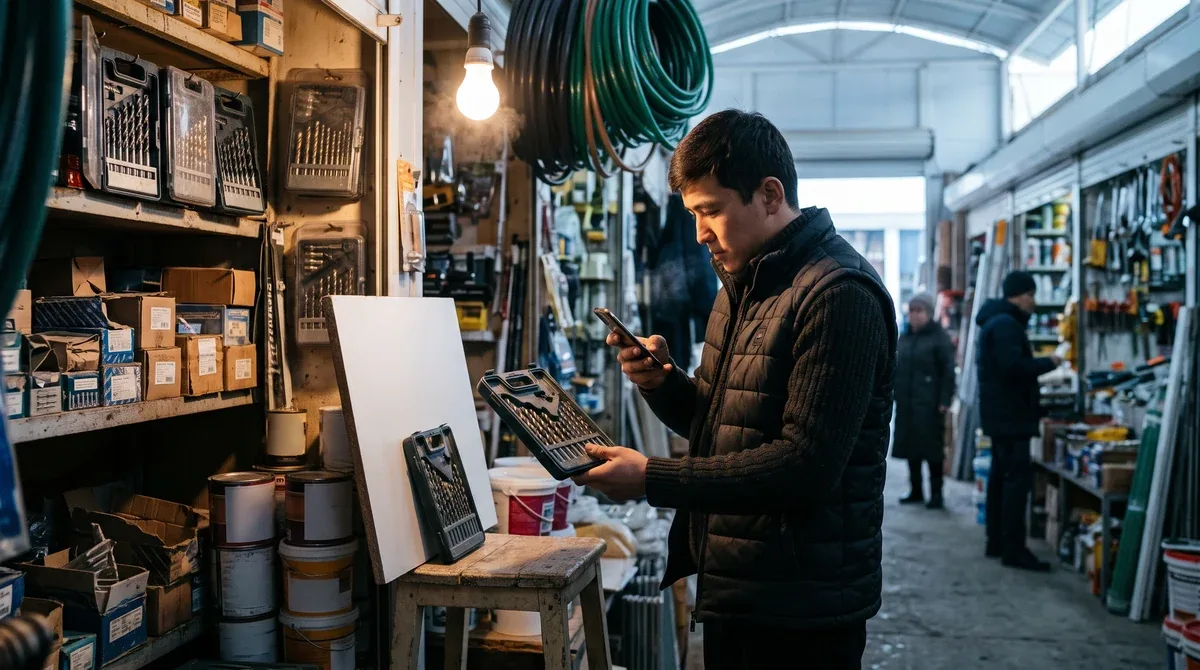
Heavy-goods logistics: FBO, FBS and your own delivery
First, the terms. FBO (fulfilment by operator) means you send stock to the platform's warehouse in advance and the platform handles the rest. FBS (fulfilment by seller) means stock stays in your warehouse; when an order comes in, you pack it and hand it to the platform. Some platforms also offer DBS, where you deliver the order yourself.
Oversized goods (often called KGT in Russian-language seller materials) are items that do not fit the standard sorting line or are too heavy. Each platform sets its own limits. In tools, this covers compressors, generators, concrete mixers, long ladders and bathtubs. Tariffs and acceptance rules for them may differ.
A practical rule: fast-moving, light items usually justify FBO, because they arrive faster and tend to rank better. Heavy, bulky or slow-moving items are often cheaper on FBS or your own delivery. A generator that sits in a platform warehouse for months keeps paying storage fees.
Keep two more points in mind:
- Volume costs money too. Many platforms calculate logistics fees not only by weight but also by box volume in litres or by dimensions. That is why a light but long ladder can be expensive to ship.
- Liquids and dangerous goods. Paints, solvents, aerosols and lithium batteries may face acceptance restrictions. Read the offer requirements before adding them to the catalogue.
Exact tariffs, size limits and delivery models vary by platform and change over time. Take numbers from the offer agreement in the seller account, not from someone's spreadsheet from last year. Large items are covered in depth in selling bulky goods without losing money.
The listing: specifications, compatibility, warranty and documents
A tool listing is a technical data sheet, not an advert. Buyers skip "powerful and reliable". They look for numbers. Run every listing through this checklist:
- Core specifications. For power tools: wattage, voltage, speed, battery capacity, weight. For drill bits: diameter, length, material and shank type.
- Compatibility. Which chuck, which battery platform, which thread or pipe diameter. This block cuts returns more than anything else.
- What's in the box. Are the battery and charger included? This is the most common question in reviews.
- Warranty. How long, who provides it (manufacturer, local distributor or you) and where buyers should go. For a foreign brand, a named service partner in Uzbekistan builds a lot of trust.
- Documents. Power tools and some building materials may require a conformity document. The requirement depends on the product type, so confirm it in the category rules and official sources. See certificates and conformity documents for marketplaces.
- Language and photos. Buyers read listings in Uzbek and Russian, so translate specifications properly, not word for word. Show the product in hand, next to a ruler and in use, with the full kit laid out in one shot.
One small habit pays off. When the same question keeps appearing in reviews and Q&A, move the answer into the listing. Three questions asking "Does it fit an SDS-plus chuck?" mean the answer belongs in the first line of the description.
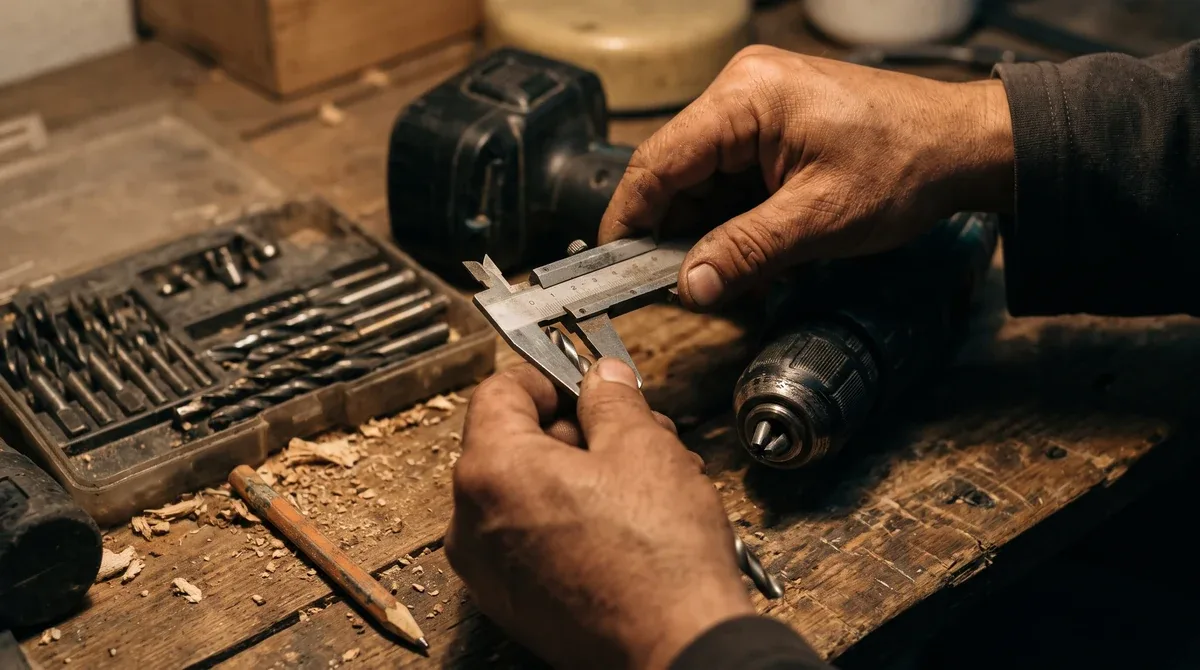
Returns and defects: collect evidence in advance
Tool returns have three main causes: poor fit, genuine defects and "used it once and sent it back". A good listing reduces the first. The other two need a process.
Here is a hypothetical example. During construction season a buyer orders a rotary hammer. Two weeks later he returns it as "not working". You open the box and find concrete dust in the chuck and scratches on the housing. Without photos and a serial number recorded before dispatch, that is hard to prove.
So build these habits:
- Before dispatch, record the serial number of every power tool and photograph the packaging.
- On receipt, check returned items immediately: completeness, signs of use, matching serial number.
- Know the dispute window. Platforms usually allow limited time for a claim, and evidence is useless once it passes.
- Route genuine defects through an authorised service centre. This protects both you and the buyer.
With serial-number tracking, you always know which unit went to whom and when its warranty ends. Setting that up in a system is explained in serial number and warranty tracking.
Pricing and unit economics: one drill as an example
Unit economics is the profit left from a single unit sold. The most common mistake in tools is calculating it without returns.
A hypothetical example. A cordless drill sells for 900,000 sum. The landed cost is 560,000 sum. Commission and logistics together come to roughly 180,000 sum. Advertising costs 45,000 sum per sale. At first glance, each sale leaves 115,000 sum.
Now add returns. Say one drill in ten comes back. Two-way logistics costs 40,000 sum, and reselling the returned drill at a discount loses 150,000 sum. That is 190,000 sum in total. Spread across ten sales, it adds 19,000 sum to each one. Real profit drops to 96,000 sum.
The numbers are illustrative, but the logic holds. Build the return rate into your model before you set the price. Which of your SKUs is likely to have the highest return rate? Start the calculation there.
Reviews and questions: tradesmen trust tradesmen
In tools, a review often sells better than the description. One line like "three months on site and still going" convinces more than a long sales pitch.
A few rules for handling reviews:
- Answer questions quickly and precisely. Instead of "yes, it fits", write "yes, it fits a 13 mm chuck, the shank is cylindrical".
- Reply to negative reviews openly. Explain the cause and offer a solution. Future buyers will read your reply too.
- Turn complaints into listing content. A review saying "the battery doesn't fit" is a signal to add "battery not included" to the listing.
Conclusion
In the tools category, buyers pay for compatibility and trust before price. Start with small, unbreakable items that people buy again. Do not add heavy, cheap goods without running the numbers. Fill in each listing like a technical data sheet and put compatibility first. Collect evidence before dispatch and price with returns included. Once that process is in place, one-star reviews become rare and tradesmen keep coming back to your store.
Frequently asked questions
Which products should a tool brand start with on Uzbek marketplaces?
Usually small and mid-sized items that people buy again: drill bit and disc sets, screwdriver bits, fastener kits and hand tools. They do not break, ship cheaply and bring buyers back. Avoid adding heavy, low-priced materials until you have run the numbers.
Do power tools need a certificate to be sold in Uzbekistan?
In many cases a conformity document may be requested before a listing passes moderation. The exact requirement depends on the product type and the applicable technical regulation. Check the category requirements in the seller account and the official standardisation authority, and get document copies from your manufacturer or importer in advance.
What if a buyer uses a tool on a job and then returns it?
Inspect the item as soon as it comes back: signs of use, serial number, completeness. If you find damage or wear, photograph it and open a dispute within the deadline the platform sets. Photos and serial numbers recorded before dispatch are your main evidence.
Should heavy items go to FBO or stay on FBS?
Fast-moving small items usually pay off in FBO, while heavy, bulky or slow-moving ones are often cheaper on FBS or your own delivery. Calculate each item against the current tariffs in the platform's offer agreement.
Want to see which tool SKUs actually make money in Uzbekistan?
We can walk through logistics, returns and advertising costs item by item and calmly work out which positions to scale and which to drop before you commit more stock.