A month ago a buyer in Tashkent ordered your laundry powder. Five stars, a short review: "Love the scent." The powder runs out. She opens the app, types "laundry powder" in the search bar and buys the first cheaper option. Your store never even appears.
Sound familiar? On a marketplace, buyers usually remember the product, not the seller. This article explains how to build repeat purchases in Uzbekistan as a foreign brand. It covers package inserts, reorder cycles, bundles, review replies and your store page. Most importantly, it shows where the platform rules draw the line.
Repeat purchases are one part of marketplace growth. For the full picture, see the guide on marketplace growth strategy.
Why repeat purchases do not happen by themselves
In a physical shop, a regular customer knows the way to your door. On a marketplace, every purchase starts with a search. And the results are rebuilt every time, based on price, rating, ads and delivery time.
The second barrier is that you do not have the buyer's contact details. The phone number, address and name stay with the platform. You cannot text a buyer whenever you like. This protects the buyer, but it gives you extra work.
So you have four touchpoints for a repeat purchase:
- The package — the only thing the buyer holds in their hands.
- The product page — sizes, variants and bundles.
- Reviews and questions — public conversation inside the platform.
- Your store page — where buyers find you by name.
All four work inside the platform. That keeps the risk of breaking the rules low.
Package inserts: what you can and cannot write
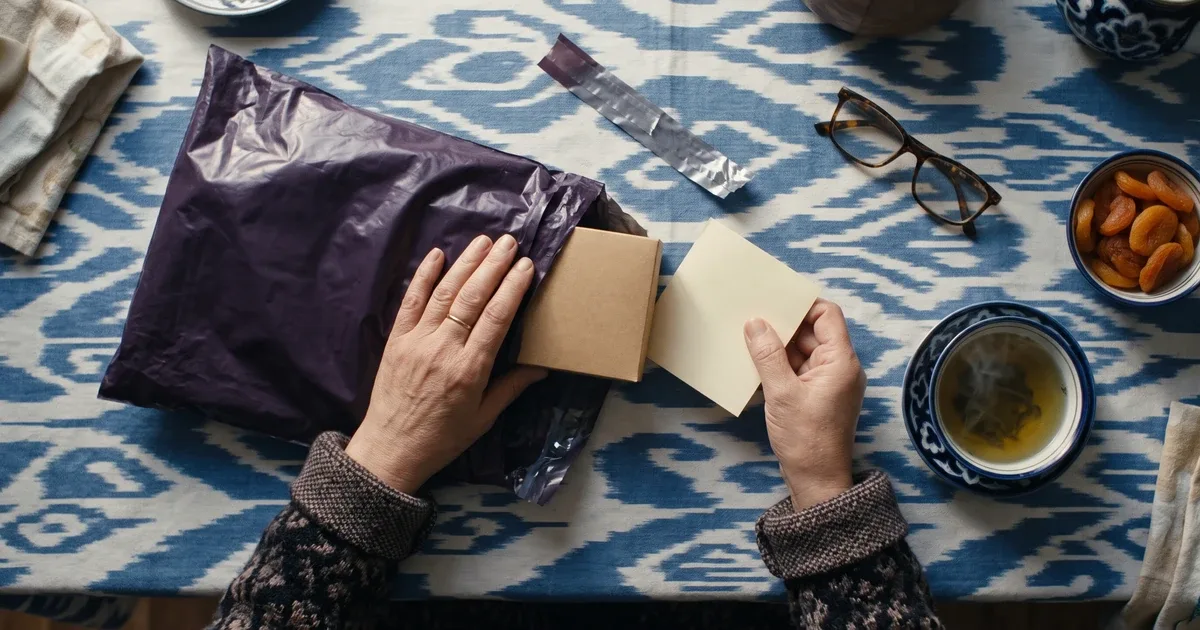
A package insert is a small card placed in the box with the product. It is your only personal contact with the buyer. It is also where many sellers break the rules.
Also read Shoppers Type "rukzak", Not "Backpack": Keyword Research for Uzbek MarketplacesA hypothetical mistake (do not copy it). A seller printed a QR code for their Telegram channel on the insert with the line "Subscribe and get 15% off your next order." The intent is understandable: keep the buyer. But it takes the buyer off the platform. If the buyer complains or the platform checks, the seller risks a fine, hidden listings or account restrictions. That is why QR codes, channels and phone numbers stay off the insert altogether.
- A thank-you and a few warm words — Risky or prohibited: Phone, Telegram, Instagram, QR codes
- Usage and care instructions — Risky or prohibited: Discounts for buying off-platform
- How long the product lasts — Risky or prohibited: "Leave five stars and get a gift"
- Your store name and how to find it in the app — Risky or prohibited: Asking only for positive reviews
- An invitation to get in touch through the app if something is wrong — Risky or prohibited: Links to another website or marketplace
According to official materials, the Wildberries seller offer prohibits promising money or any other reward for a review. Simply asking for a review is allowed. Ozon's rules for communicating with buyers restrict mentions of external resources and advertising. Wildberries also has a separate fine for unauthorised use of its name and trademark, including in inserts. So read the offer before you print a platform name or logo on the card. For Uzum Market, the largest local platform, check the exact limits in the seller offer agreement and the help section of your seller account. Rules change, so reread the current version before you print.
In Uzbekistan, write the insert in both Uzbek and Russian. Keep it simple: "Thank you! This 1 kg pack lasts about a month. When it runs low, search for our store by name. If anything is wrong, write to us through the order page in the app and we will fix it quickly." There are no contacts and no rewards here, yet it opens the way to the next order. Direct buyer chat does not work the same way on every platform, so find out in advance how messages reach you in your seller account.

The reorder cycle: when the product runs out
For consumables, a repeat purchase is not luck. It is a schedule. A buyer uses up powder, tea or shampoo in a predictable time. If you know that time, you can prepare a lot in advance.
A hypothetical example. A 1 kg pack of laundry powder. One wash takes about 75 g, and a family washes three times a week. 1000 / 75 ≈ 13 washes, or roughly 4–5 weeks. So the repeat purchase window opens 30–35 days after the first order.
What to do with that number:
- Stock. Keep enough inventory to cover the repeat purchase window. If you are out of stock, the buyer goes to a competitor.
- Product page. State something concrete, like "1 kg ≈ 1 month." Buyers like to plan.
- Promotion timing. If you join a platform sale, also watch the period about a month after the spike. That is when repeat orders arrive.
- Larger size. Add a three-month option next to the one-month pack. A buyer who takes it will not look at competitors for three months.
Do you know how many days your product lasts? If not, read your reviews for a week. Buyers often write things like "lasted two weeks."
Bundles and sizes: attach the second purchase to the first
The most reliable repeat purchase is the one attached to the first order. That is what bundles are for: several items sold on one product page.
For consumables, three bundle types work well:
- Two or three of the same item. A "three-month supply" gives the buyer savings and convenience.
- Main product plus refill. For example, a bottle and a refill pouch. Next time the buyer only orders the refill.
- Items used together. Shampoo and conditioner, tea and a traditional piyola cup.
When pricing a bundle, include logistics and commission. Otherwise the average order grows while profit shrinks. The formula and a worked example are in the article on marketplace bundles and sets.
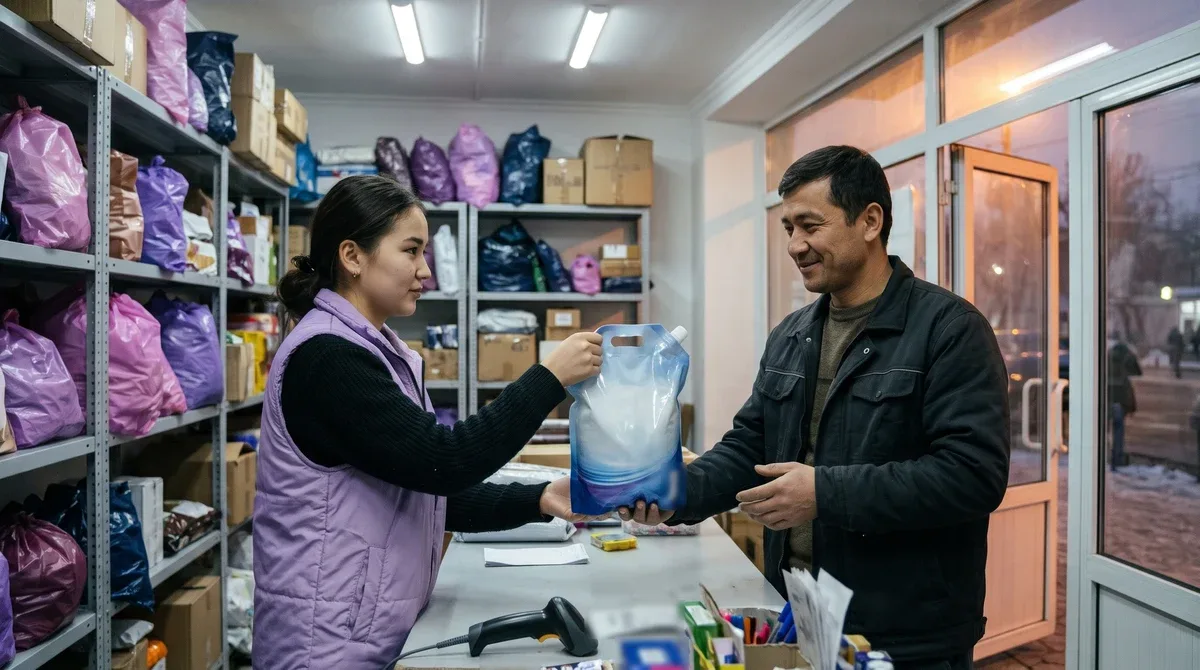
Refills deserve special attention. They are cheaper, compact and lighter to ship. Most importantly, they fit your bottle. The buyer naturally comes back to you.
Replies to reviews and questions: your open channel
The legitimate place to talk to buyers in public is reviews and questions. Your reply is read not only by the author but by everyone who opens the product page.
Replies support repeat purchases in three ways:
- Positive reviews: say thank you and add a useful tip, such as "We also have a 3 kg size for better value." That is information, not advertising.
- Negative reviews: reply quickly and to the point, and offer to solve the issue inside the platform, through chat or an official request. A buyer whose problem was solved often comes back.
- Questions: answer in full. How long it lasts, how to store it, which model it fits — the next buyer will ask the same.
Do not include phone numbers, links or other platform names in replies. If you want to reward reviews, use only the platform's official tool. Reply templates and the rules for each platform are collected in the article on marketplace reviews and ratings.
Your store page and brand: let buyers search for you by name
Every seller has a store page on the platform, with the whole range in one place. When a buyer searches for you by name, competitors' ads are no longer in the way.
For that, your name must be memorable. Packaging, product photos and the store name should share one style. When buyers see the box, they should think: "That's the same store." On some platforms, buyers can add a store or brand to favourites or follow it. Check whether your account has this feature and mention it on the product page.
Moving from product seller to brand owner is a big topic of its own. It is covered in detail in the article on building your own brand on marketplaces. For repeat purchases, the key point is simple: buyers must remember your name.
How to measure repeat purchases
The seller account does not always show the share of returning buyers. In that case, track indirect signals:
- how many reviews say "bought again" or "my second order";
- how stable sales are on days without ads;
- the share of bundles and larger sizes in total sales;
- searches for your store name, if the account shows this data.
Record these numbers once a month. After a few months you will see whether a new insert or bundle made a difference. The broader logic of retention, churn (customers leaving) and loyalty is explained in the article on customer retention and loyalty programmes.
Seven things to check today
- Do you know how many days your product lasts?
- Will your stock cover the repeat purchase window?
- Does the product page say how long it lasts?
- Do you offer a larger size or a "supply" bundle?
- Is your insert free of contacts, QR codes and reward promises?
- Have recent reviews and questions been answered within 24 hours?
- Do packaging, photos and store name share one style?
Conclusion
On a marketplace, buyers remember the product, not the seller. So repeat purchases do not come by themselves. You build them with tools inside the platform.
Keep three things in mind. Your insert must not take buyers off the platform or promise rewards for reviews. For consumables, calculate the reorder cycle and match stock, sizes and bundles to it. And reply to reviews and questions as if you were also talking to the next buyer.
Then the second purchase stops being a lucky search result and becomes a planned outcome.
Frequently asked questions
Can I put a Telegram channel or phone number on a package insert?
It is risky. Platforms do not want buyers taken outside their system, and the Wildberries and Ozon rules restrict pointing buyers to external resources. Use the insert for usage and care tips and for how to find your store on the platform. Check the exact limits in your seller offer agreement.
Can I offer a discount or gift in exchange for a review?
No. Promising money, gifts or discounts for reviews outside the platform's own tools is generally prohibited and can lead to fines. You may ask for a review, but without a reward. If you want to reward reviews, use the platform's official tool, such as "Баллы за отзывы" (points for reviews) on Wildberries.
How do I measure repeat purchases if the seller account has no such metric?
Look at indirect signals: reviews saying "buying again", steady sales of a consumable on days without ads, and the share of bundles and larger sizes. If your account has a customer report, compare it once a month.
Which products are worth working on for repeat purchases?
Mainly consumables: household chemicals, cosmetics, tea and coffee, pet food, baby hygiene. For durable goods, focus on recommendations and reviews instead.
Want to know how many of your Uzbek buyers come back?
We can review your sales reports and reviews together and calmly identify which products get repeat orders, where buyers drift to competitors, and what to change in your packaging and bundles.