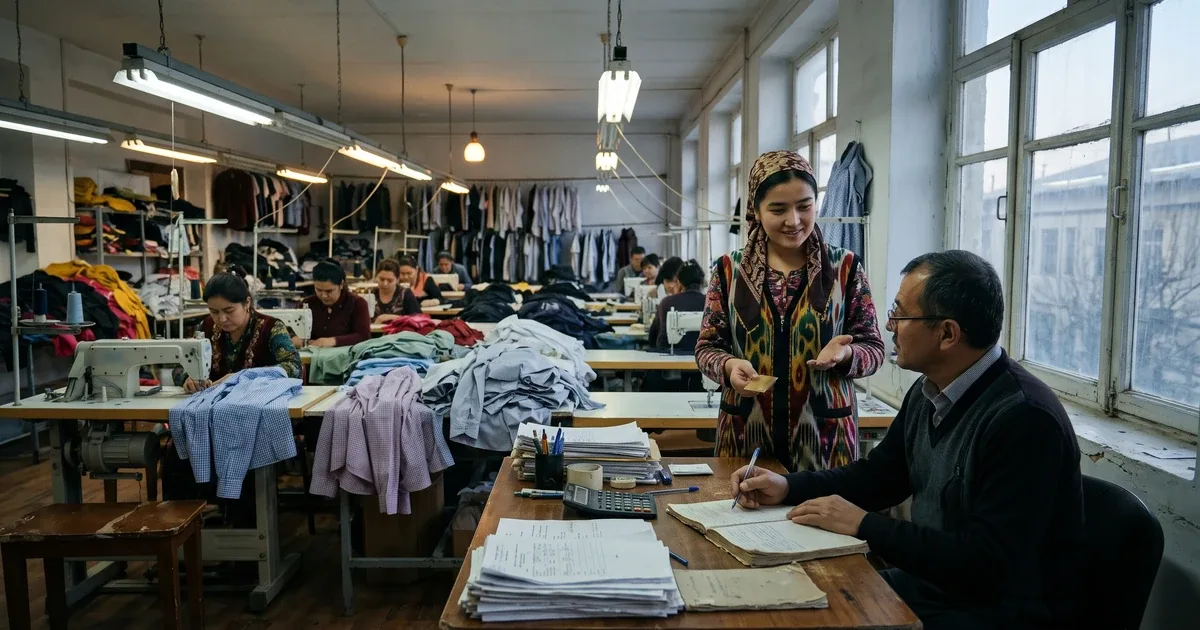
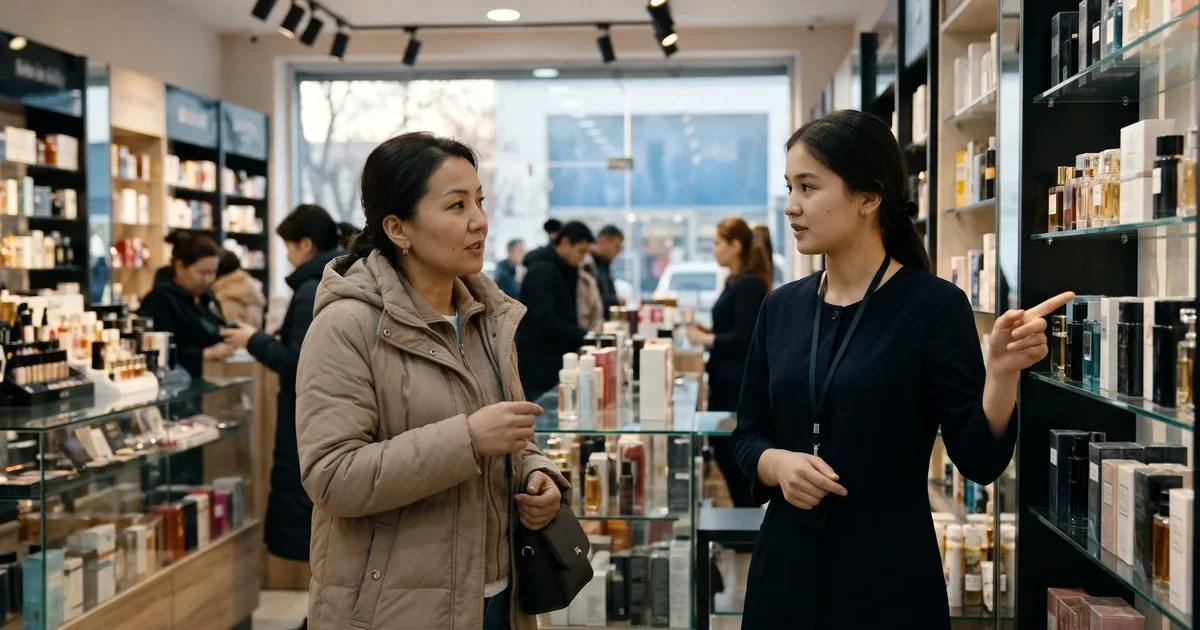
You fly in for a store visit. The sales assistant stands up straight, smiles and explains every product. The cashier hands over a receipt, the floor is spotless. Yet monthly traffic is down, and local reviews mention "rude answers". Does that sound familiar? The reason is simple: staff know who you are, and they work differently while you are there. One reliable way to see an ordinary day is mystery shopping. This guide shows how to set it up for a store or branch in Uzbekistan: scenario, scorecard, who visits and how to discuss results with staff.
What mystery shopping is and what it checks
Mystery shopping is a check where a person poses as a regular customer and rates the service against a prepared scorecard. In Russian, which many of your Uzbek staff use at work, it is called "тайный покупатель". Staff do not know the shopper, so the shopper sees a real day.
The method does not create a standard; it tests one. First, what each employee must do needs to be written down. That is covered in detail in the guide to customer service standards. Without a standard, a mystery shopper only brings back "liked it" or "didn't like it". You cannot train anyone on that.
Run regularly, mystery shopping becomes part of a control system that works while you are abroad. The broader logic is described in the article on the partner-manager model: the owner is not in the store every day but sees quality through numbers.
A mystery shopper usually checks four things:
- Greeting. How quickly someone noticed them, whether they were greeted.
- Sales conversation. Whether staff asked about needs, knew the product and handled objections.
- Closing. Whether the price was stated clearly, a receipt was given and a next step was offered.
- Environment. Cleanliness, order, queues and waiting time.
The scenario: what the shopper says and watches
A scenario is the visit plan: who the shopper pretends to be, what they ask, and when they raise an objection. Without one, every shopper improvises and results cannot be compared.
Also read Registered in Uzbekistan, but Not Yet Allowed to Start: A Guide to Licences and PermitsBuild the scenario in five steps:
- Choose one goal. Do not test everything in one visit. For example, consultation quality this month, phone orders next month.
- Define the shopper profile. "A man looking for a gift for his wife" or "a woman visiting for the first time and comparing prices". The profile should resemble your real local customers.
- Write the questions. Two or three ready questions: one simple, one that tests product knowledge.
- Add one objection. For example: "It's cheaper elsewhere." This shows whether staff apply what they learned on sales scripts and objection handling.
- Set the ending. The shopper either buys or leaves saying "I'll think about it". In the second case, note whether staff try to take a contact.
For example, a hypothetical case: a scenario for a beauty salon. The shopper phones, asks the price of hair colouring and says "That's a bit expensive". They hang up without booking. The next day they walk in and ask a stylist for advice. One scenario checks two channels: phone and the salon itself.

The scorecard: criteria and points
A scorecard is the list the shopper fills in after the visit. Each item gets points on a yes/no basis or a short scale. The key is to word each item so that two different people would score the same situation the same way.
A weak item: "The assistant was polite." Everyone reads that differently. A strong item: "The assistant greeted the customer within one minute of entry." There is nothing to argue about.
Split the scorecard into weighted blocks:
- Greeting — 15 points. Noticed within a minute (5), greeted (5), not distracted by phone or personal matters (5).
- Needs discovery — 25 points. At least two open questions (10), an offer that matched the shopper's answers (15).
- Product knowledge — 20 points. Explained the main difference and benefit (10), answered accurately or checked and came back (10).
- Objection handling — 20 points. Did not argue (5), asked for the reason (5), explained the value or offered an alternative (10).
- Closing — 20 points. Stated price and terms clearly (5), issued a receipt (5), offered a next step or contact (10).
That gives 100 points. Add one or two critical items, for example no receipt issued or rudeness to the customer. If a critical item fails, the visit counts as unsatisfactory regardless of the total. The environment (cleanliness, queues) does not need its own points, but the shopper should always note it in the comments.
End the scorecard with two open questions: "What was the best moment?" and "Where did you lose the wish to buy?" The numbers show where the problem is; the comments explain why.
Who runs the visit and how
The most common mistake is sending your own employee as the shopper. Staff recognise them at the door, and the result is no longer honest. The shopper must be a stranger to the team.
Three options work:
- People you know locally. A friend or contact the staff have never met. Cheap, but they tend to score softly. Brief them on the scorecard in advance.
- An employee from a branch in another city. Convenient for a network: the Samarkand manager checks the Tashkent store. Rotate the pairs.
- An agency. A company that provides mystery shopping services selects and trains shoppers and delivers a report, often in Russian or Uzbek. The price depends on the number of visits and scenario complexity, so compare several quotes.
The shopper does not fill in the scorecard inside the store. They complete it within 15–20 minutes of leaving, while the memory is fresh. Where possible, they confirm the visit with a receipt or a photo of the purchase. Give the shopper the purchase money upfront or reimburse it against the receipt; the goods stay with you.
Be careful with audio recordings. A recording is the most objective evidence, but a voice may count as personal data under Uzbekistan's Law on Personal Data. Notify employees in writing in advance, through internal rules or a clause in the employment contract, that recordings may be made for quality control. Use recordings only for the check, never post them in group chats, and delete them after a set period. Confirm the exact requirements with a local lawyer.
Debriefing results: training, not punishment
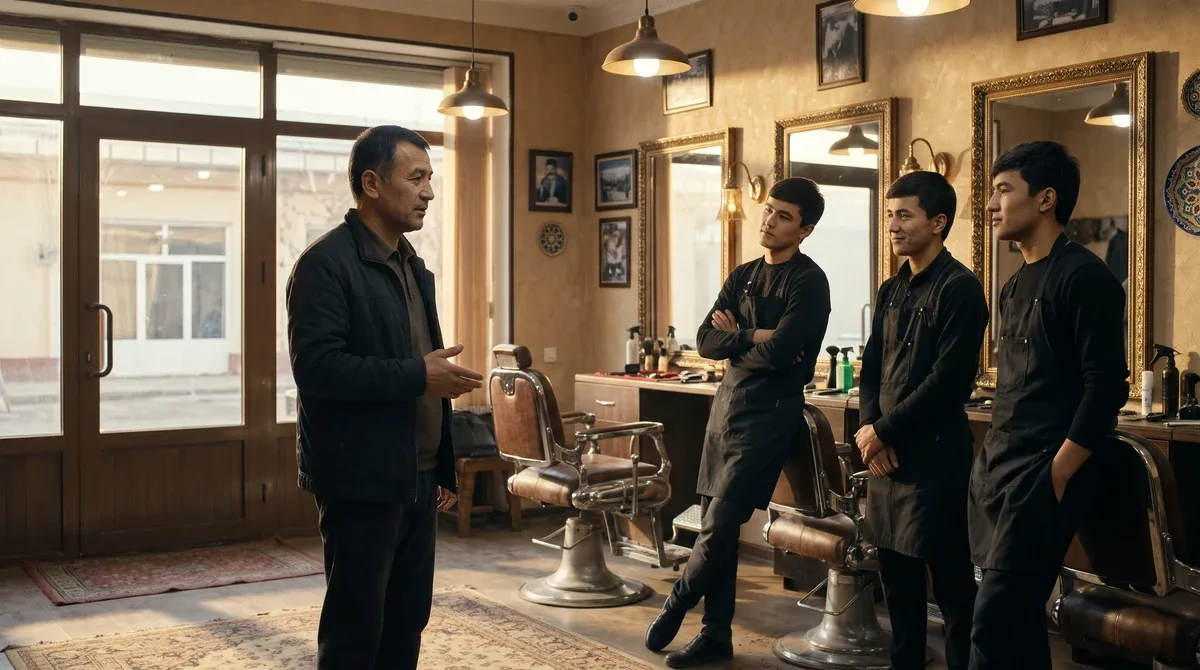
The value of the check is not in the scorecard but in the conversation that follows. If results are used only for fines, service will not improve. Staff will simply learn to spot the mystery shopper.
Run the debrief in this order:
- Start with what went well. Name the highest-scoring item. This shows the check is not a hunt for someone to blame.
- State facts, not judgements. Not "you were indifferent", but "the shopper asked the price and the answer came two minutes later".
- Ask the employee. "What got in the way at that moment?" Sometimes the cause is elsewhere: a long queue, or only one person left at the till.
- Agree on one change. Not three or four, just one: for example, ask every customer at least two questions.
- Link it to training. If the same item fails for several employees, it is a training gap, not a personal mistake. Close it through your staff training system: a short drill, role-play, then a repeat check.
Do not read out results with names in front of the whole team. Share team results with the team and individual results one to one. A local manager who runs the debrief in the staff's working language usually gets a more open conversation.
For example, a hypothetical case: a home appliance retailer with three stores. For two months, all three score lowest on objection handling. The owner does not fine anyone. Instead, the store manager runs a one-hour session where staff practise three answers to "it's cheaper elsewhere". Next month that block is checked again.
How often to check and which mistakes to avoid
One or two visits per location per month is usually enough. Spread them across days and hours: service on a Monday morning differs from a Saturday evening. Where a problem was found, check again within a month after training.
Mystery shopping shows the view from inside; what customers themselves think should be measured separately. Methods for NPS and customer feedback help here. The two complement each other: one shows what the employee did, the other what the customer felt.
Common mistakes:
- Checking without a standard. If staff do not know what is expected, a low score is not their fault.
- Vague items. Words like "polite" or "proactive" get scored differently by every shopper.
- Conclusions from one visit. Anyone can have a bad day. Base decisions on at least two or three visits.
- Fines only. The team focuses on catching the shopper, not on service.
- Results shared with no one. If the scorecard stays in a folder, the time and money spent are wasted.
Conclusion
Mystery shopping shows you the ordinary day when you are not in the store. Its value depends on four conditions: a written standard exists, the scenario resembles a real local customer, scorecard items are specific and scored, and the shopper is a stranger to staff. If you record audio, notify employees in writing first. Above all, use the results for training, not punishment, and check again a month later. You can take the first step today: choose one goal and draft the first version of a five-block scorecard.
Frequently asked questions
Can I send one of my own employees as the mystery shopper?
It is better not to. Sales staff recognise a colleague at once and behave differently. A friend the staff have never met, an employee from a branch in another city, or an agency that provides mystery shopping services will give a more honest picture.
Should staff be told that mystery shopping takes place?
Yes, tell them about the practice itself: service is checked from time to time by mystery shoppers. Do not share dates, times or who will come. That way the check feels like a work rule, not a trap.
Is it legal to record the conversation on audio in Uzbekistan?
A voice recording may count as personal data, so be careful. Notify employees in writing in advance, through internal rules or the employment contract, that recordings may be made for quality control. Use recordings only for the check and do not share them. Confirm the exact requirements with a local lawyer.
Can I discipline an employee for a low score?
A mystery shopping report alone is not grounds for disciplinary action. Under Uzbekistan's Labour Code, a disciplinary measure follows a set procedure: the employee must have breached a duty set out in writing, and an explanation must be requested first. In practice, treat a low score as a signal for training and a repeat check. Confirm specific cases with a local lawyer.
Want to check service quality systematically?
We can help you build a mystery shopping scenario, a scorecard and a debriefing routine for your locations in Uzbekistan.