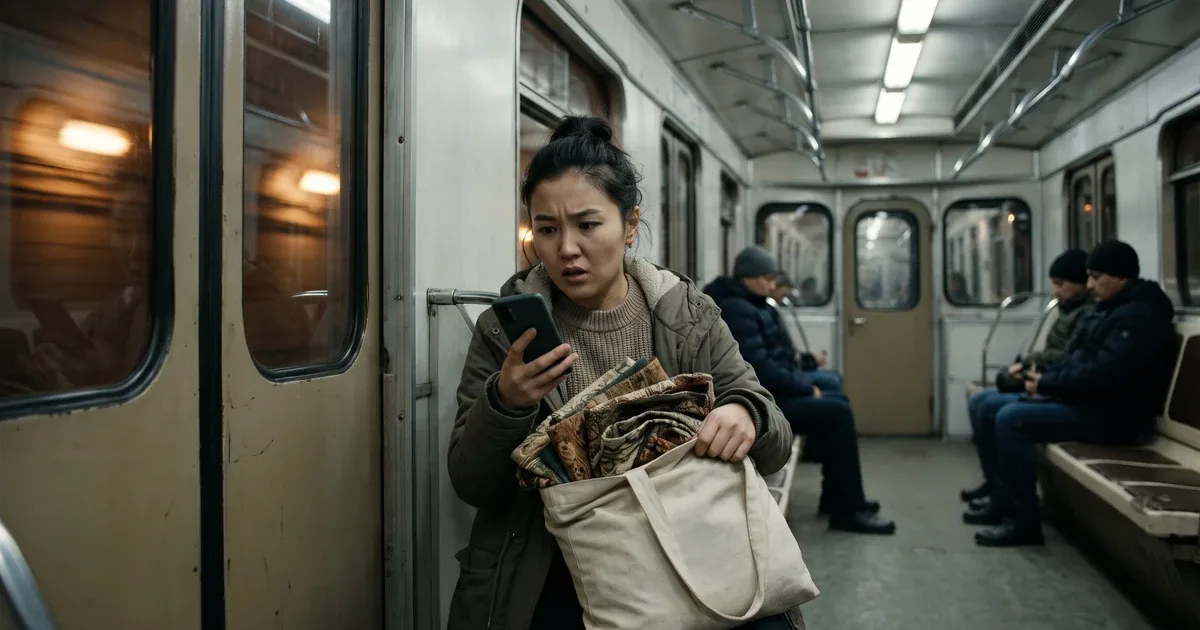
You film a good Reel in your shop. A week later the same video turns up on a stranger's page, with their logo and their phone number in the caption. Many small brands in Uzbekistan know this story. Until now, a complaint form was the main tool they had.
On 17 November 2026, Instagram announced on its creators blog that Content Protection, a tool so far available only on Facebook, is coming to eligible Instagram creators. It finds copies of your original videos and lets you decide what happens to them. Here is what changed and what a brand should do now.
What changed
Content Protection works like a watchman for your videos. After you enrol, the videos you post next are protected automatically. Videos you posted earlier can be selected and added by hand.
The tool uses the same matching technology as Rights Manager, Meta's system for copyright holders. It scans both Instagram and Facebook and notifies you when it finds a match. For each match you see how many views the copy has and how many followers the posting account has.
You then pick one of four actions:
- Track — the copy stays up and you watch its reach. This is the default.
- Hide — the copy is no longer shown to anyone on Instagram or Facebook. Instagram says this does not directly penalise the other account.
- Add a credit link — the copy gets an "original by" label that leads back to your video. This works only for matches on Instagram.
- Release — you drop the claim and the match leaves your list.
There is also an allow list. Accounts you trust, such as a second profile, a collaborator or a partner brand, are not shown as matches. Instagram also says it has processes to prevent misuse of the tool. It does not spell out what happens when two accounts claim the same video.
Instagram also announced a test. The tool will surface videos whose visuals were swapped out with AI but whose spoken words match the original. The test starts in the coming weeks with a small group of creators, with plans to expand it across Instagram and Facebook. Separately, Instagram is exploring ways to limit the reach of accounts that repeatedly post this kind of content.
Who is affected
Access is not automatic for everyone. Instagram says eligibility is mostly based on meeting its originality and integrity standards. The announcement mentions no follower threshold or country list.
Also read Registered in Uzbekistan, but Not Yet Allowed to Start: A Guide to Licences and Permits- Brands that make their own Reels. Shops, cafés, clinics and online stores filming original videos get a way to fight copies without a lawyer.
- Bloggers and UGC creators. Their videos are the most copied. The credit link sends people who watch a copy back to the original profile.
- "Repost" pages. Accounts living on other people's clips may see their copies hidden. Those that keep posting AI remakes could also lose reach later on.
- Agencies. Joint campaigns with bloggers need allow lists set up in advance, or partner reposts will show up as matches.
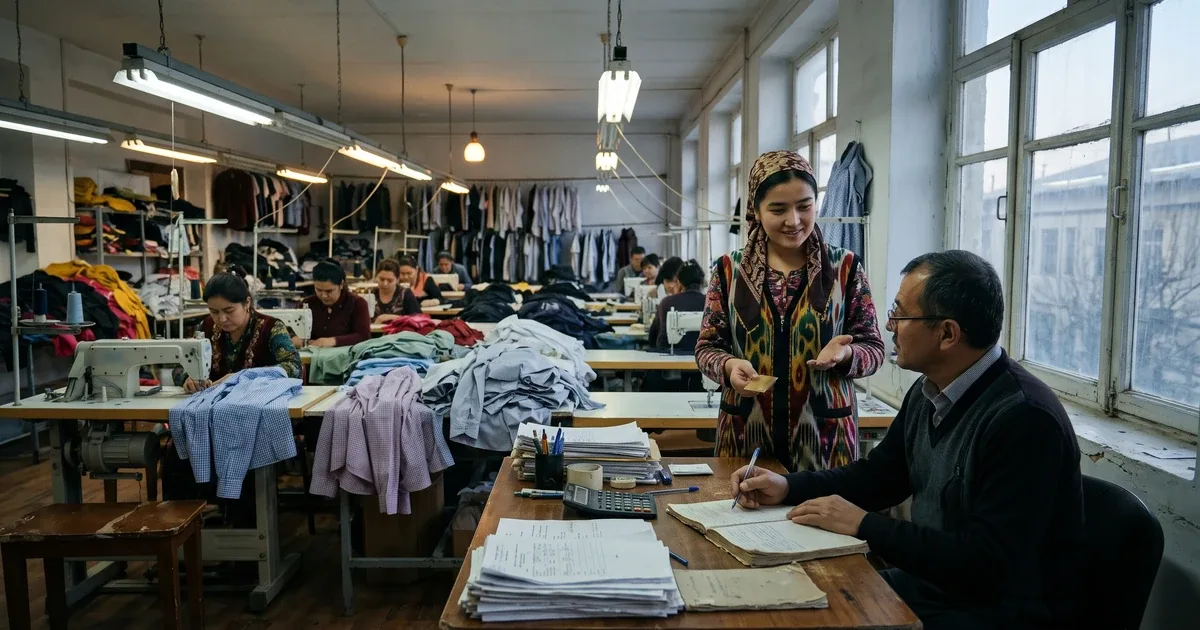
A conditional example: a home-textile brand in Tashkent posts a Reel showing how a bedspread is sewn. A reseller page copies the video and adds its own price. With protection on, the brand gets a notification. It can hide the copy, or leave it up with a credit link that sends viewers back to the original.
What a business should do
- Check your access. Look for a notification in your activity feed. If there is none but your content is original, apply.
- Keep raw footage. Store the original files with their recording dates. If anyone questions who made the video, they are your evidence.
- Set up the allow list before campaigns. Add partner bloggers, your second account and your agency. If you plan to reuse customer videos, get permission first; the guide to using customer videos explains how.
- Choose a rule for matches. For example: hide copies with a different seller's contact details, and add a credit link to harmless reposts.
- Make videos that are clearly yours. A recognisable face, voice and setting show viewers at once whose original it is. The Reels script formulas for business help build that style.
Have you ever found your own video on someone else's page? Now there is a second option besides the complaint form.
Sources
- Instagram Creators blog, "Introducing Content Protection", 17 November 2026: creators.instagram.com/blog/introducing-content-protection/
- Facebook Creators blog, on Content Protection for Facebook: creators.facebook.com/blog/content-protection-your-new-creative-guardian-on-facebook
- Net Influencer overview (secondary source): netinfluencer.com/instagram-content-protection-creators/
Summary
Instagram now lets eligible creators find copies of their videos and hide them, credit them or leave them alone. Access depends on originality, and the test for AI-altered copies is only just starting. The practical move today is simple: check your access, keep your raw files and set an allow list before the next campaign.
Frequently asked questions
Is Instagram Content Protection available in Uzbekistan?
The announcement includes no country list. Access mostly depends on meeting originality and integrity standards. Eligible creators get a notification in their activity feed. If none arrives, you can apply for access.
Does hiding a copy punish the account that posted it?
Not directly, according to Instagram. Hiding simply stops the copy from being shown on Instagram and Facebook. If you need the copy taken down, a separate copyright report is the route.
Will my partner bloggers' reposts get flagged?
Accounts on your allow list are not shown as matches. Add partner bloggers to it before a joint campaign starts.
Building a steady Reels routine for your brand?
Original videos are now easier to protect. A clear content plan makes it easier to keep posting them on schedule.