

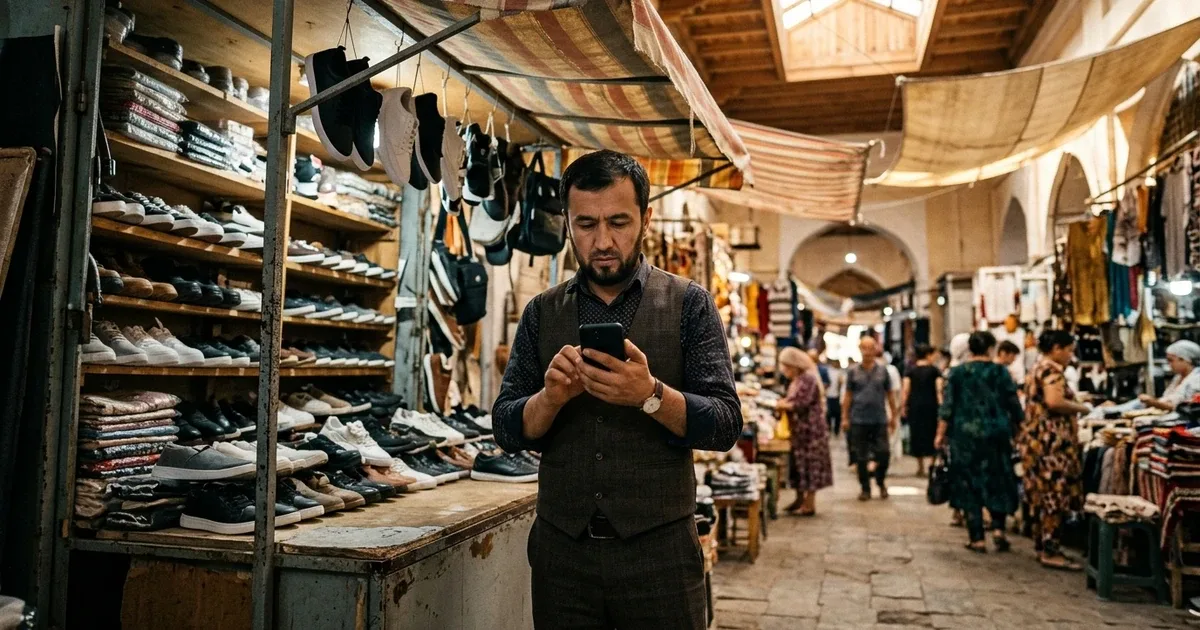
Imagine a shoe shop in Tashkent that builds a Google Ads audience from searches like "luxury copy sneakers". The ads themselves show ordinary, legitimate shoes. Is that allowed? Since 11 November 2026, Google's answer is a clear no. The company updated its Personalized advertising policy with one line that removes the grey zone.
The change was posted on 11 November on Google's Advertising Policies Help centre, and Search Engine Roundtable picked it up soon after.
What changed
Personalized advertising means showing ads to people based on who they are or what they are interested in. Google already restricts it for sensitive topics such as health, religion or financial hardship.
Now the Restricted targeting section adds a direct rule. In Google's words, advertisers "are not allowed to target users based on an interest in categories" that are prohibited in Google's ad network.
What counts as prohibited? Google's Prohibited content policy lists four groups:
- Counterfeit goods – items that imitate another brand's trademark or logo.
- Dangerous products or services – for example, recreational drugs, weapons, explosives, fireworks and tobacco.
- Enabling dishonest behaviour – hacking software, fake documents, academic cheating services.
- Inappropriate content – hate content, shocking images, profanity.
Before, the logic was simple: you cannot advertise these things. The clarification adds that you also cannot use interest in them as a way to find customers, even for a legal product.
Why does this matter? When the ad text and the site were clean, the tactic looked harmless to many advertisers: what is wrong with showing the real thing to someone who searched for a copy? The policy now says plainly that how the audience was built counts too.
Google did not publish a separate effective date or a list of affected countries. Treat the rule as active now.
Who is affected
The rule matters most for audiences you build yourself. They include custom segments (audiences built from keywords, URLs or apps), your data segments (remarketing lists), Customer Match and lookalike segments.
Also read Product Certification in Uzbekistan: Which Goods Need What, Recognition of Foreign Certificates and Digital MarkingGroups that should check their accounts first:
- Fashion, footwear and accessories sellers. "Copy", "replica" or "first copy" keywords in a custom segment now clearly point to interest in counterfeit goods.
- Vape, hookah and tobacco-related shops. Tobacco products themselves were already off-limits. Now, even if you advertise a legal accessory, an audience built on interest in tobacco is risky.
- Phone repair and unlock services. Keywords about bypassing locks or hacking accounts can fall under dishonest behaviour.
- Agencies and freelancers. Old audiences copied from client to client often carry keywords nobody has checked for years.
Google-built audiences, such as in-market, affinity and demographics, are managed by Google. The main risk sits in what you type into a custom segment.
What advertisers should do
- Review all custom segments. In Google Ads, open Audience manager under Tools and go through every keyword, URL and app in each segment.
- Remove risky signals. Delete words tied to copies, replicas, hacking, drugs, weapons or tobacco. Do the same for URLs of sites that sell such goods.
- Check remarketing sources. If a list collects visitors from a page or site section with prohibited content, stop using it. How to build clean lists is covered in the retargeting strategy guide.
- Rebuild audiences around real needs. Target the problem your product solves: "comfortable running shoes", not "cheap brand copy". A clear account structure helps here, as explained in the Google Ads guide for Uzbekistan.
- Watch the Policy manager. If an ad is disapproved, fix the cause before you appeal. Repeated violations put the whole account at risk.
Here is a hypothetical example. An online watch shop runs ads for its own brand. Its custom segment still contains "replica watches" from an old test. Under the clarified rule, that audience is a policy problem, even though the product is legal. Removing one phrase takes five minutes. Losing the account takes much longer to fix.
Have you looked at your custom segments since you first set them up? This is a good week to do it.
In short: Google now states plainly that interest in prohibited goods cannot be a targeting signal. Clean audiences protect both your ads and your account.
Sources
- Google Advertising Policies Help, "Update to the Personalized Advertising Policy (November 2026)", 2026-11-11: https://support.google.com/adspolicy/answer/18873108
- Google Advertising Policies Help, Personalized advertising policy (Restricted targeting): https://support.google.com/adspolicy/answer/143465
- Google Advertising Policies Help, Prohibited content: https://support.google.com/adspolicy/answer/6008942
- Search Engine Roundtable, daily recap, 2026-11-12: https://www.seroundtable.com/recap-11-12-2026-42521.html
Frequently asked questions
Is this a brand-new ban?
Google calls it a clarification of the Restricted targeting section, not a new policy. Ads for prohibited products were already banned. The update closes the gap for audiences built around interest in those products.
Does it apply to accounts run from Uzbekistan?
Yes. Google's advertising policies apply to every account, wherever it is managed. The English version of the policy is the one Google uses for enforcement.
What happens if my audience breaks the rule?
The policy page describes disapproved ads that you can fix or appeal. Google also warns that repeated policy violations can lead to account suspension, so it is better to clean up audiences early.
Not sure what your audiences are built on?
A short review of your Google Ads custom segments, remarketing lists and keywords can show where policy risk is hiding.


